


Ojúde Ọba: Where Culture Wears Its Crown

Every year, after the celebration of Eid al-Kabir, the ancient town of Ijebu-Ode comes alive in a breathtaking display of colour, fashion and tradition.

Ojúde Ọba, meaning "The King's Forecourt" or "The King's Festival", began as a way of expressing gratitude to the Awujalẹ (king) of Ijẹbuland for allowing Muslims to practise their religion openly without fear of persecution. Today, it has grown into a global cultural phenomenon, embraced not only by the Ijẹbu people but also by millions within and outside Nigeria. The festival is a feast of colour and culture.
Cultural pride is expressed through drummers; oríkì chanters (praise singers); dancers; rich attire like aṣọ òkè (hand-woven fabric); regal agbádá; and elaborate gèlè that not only command attention but also serve as symbols of identity and status. The parade of age groups, each dressed in a chosen colour, and the display of elegantly adorned horses preserve the sense of belonging associated with Ijẹbu warrior clans and families.

In a world obsessed with simplicity, Ojúde Ọba proudly embraces richness. Minimalism is not an option, as each family appears in regalia fit for royalty. With every grand appearance, you realise that boldly expressing yourself is not considered extravagance.
But beyond the vibrant colours and excitement that define the festival, Ojúde Ọba represents a beautiful blend of culture and modernity. It reflects a people who have refused to let go of their identity and continue to proudly preserve and celebrate their heritage, passing it from one generation to the next.
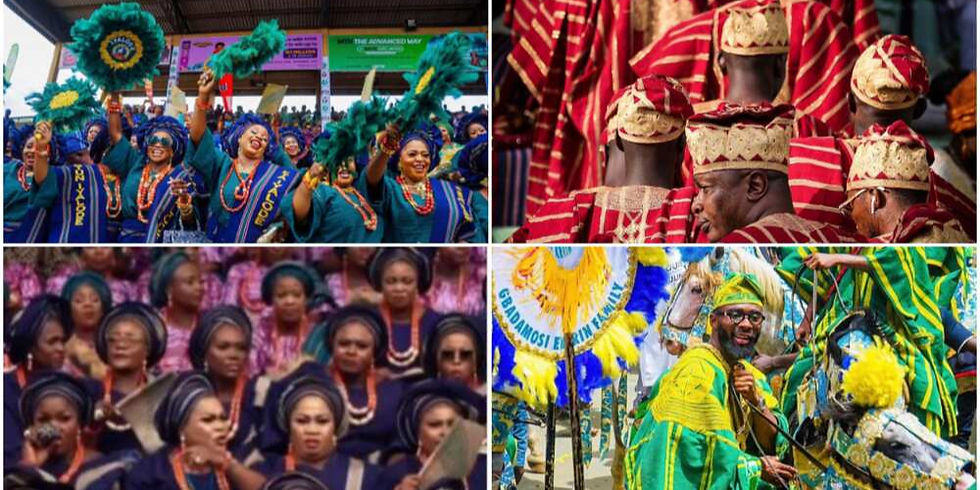
As many African traditions struggle to survive the pressures of modernisation, Ojúde Ọba continues to thrive and grow in global relevance. More than a festival, it is a reminder that culture shapes identity, and fashion remains one of its most visible expressions.
Perhaps that is why the festival continues to captivate people across generations and continents. It is not simply about beautiful clothes or grand celebrations. It is about remembering who we are.
We must intentionally embrace our culture. We must know our roots and preserve the traditions that define us. Only then can we truly understand who we are and where we belong.

Comments